
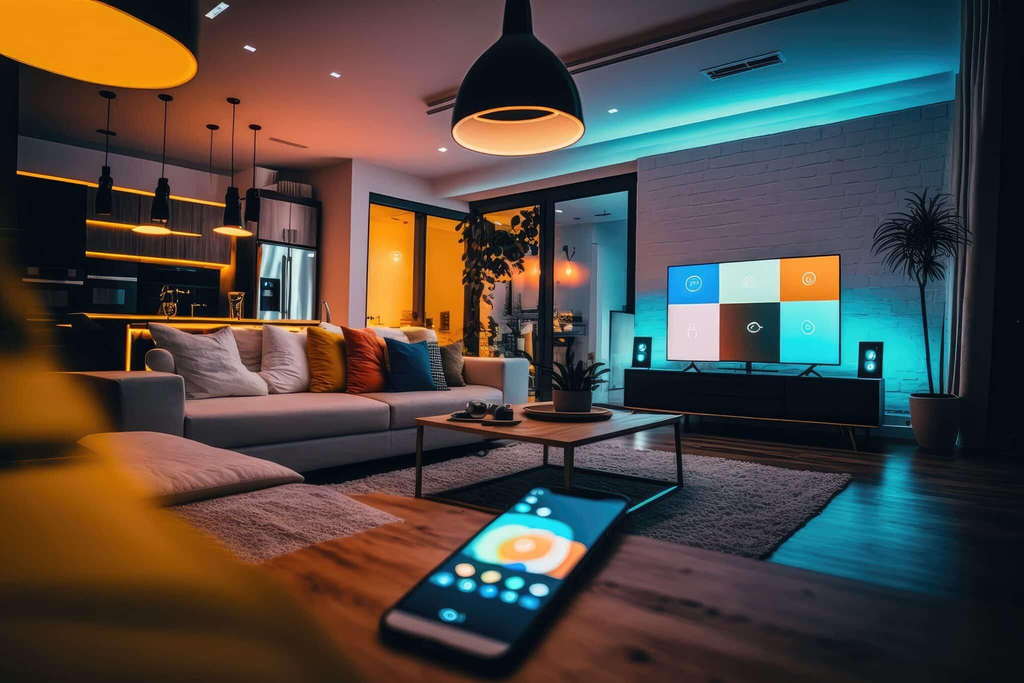
Smart home technology is changing the way people manage their homes. From automated lighting and smart security cameras to voice-controlled appliances, modern technology makes everyday activities easier and more convenient.
Techoelite Smart Homes is a topic associated with connected living, home automation, and modern residential technology. People searching for this term may want to understand its features, benefits, available technologies, and whether it represents a specific smart home brand or a broader concept.
This guide explains how smart home technology works, explores its main features, and highlights important things to consider before investing in connected devices.
What Are Techoelite Smart Homes?
Techoelite Smart Homes is a term associated with modern smart living and home automation. The name appears in online content discussing connected devices, home security, lighting, energy management, and residential technology.
A smart home uses internet-connected devices, sensors, software, and automation systems to control different household functions.
For example, homeowners may use smartphones or voice commands to:
- Turn lights on and off.
- Adjust room temperatures.
- Monitor security cameras.
- Lock and unlock compatible doors.
- Control smart appliances.
- Manage home entertainment systems.
- Receive security notifications.
The term should not automatically be understood as a verified manufacturer or a specific smart home product line. The publicly available information does not establish a proprietary Techoelite hardware range or confirmed installation service. techoelite+1
Key Features of Techoelite Smart Homes
Smart home technology offers several features designed to improve comfort, convenience, and home management.
Here are some important technologies associated with modern smart homes.
1. Smart Lighting Systems
Smart lighting allows homeowners to control lights through mobile applications, voice assistants, or automated schedules.
Instead of manually operating every switch, users can manage compatible lighting systems from a central device.
Common features include:
- Remote lighting control
- Automatic on and off schedules
- Adjustable brightness
- Color-changing bulbs
- Motion-activated lighting
- Customized lighting scenes
For example, you can create a nighttime routine that automatically switches off selected lights when you go to bed.
Smart lighting can also reduce unnecessary electricity use when properly configured.
2. Smart Home Security Systems
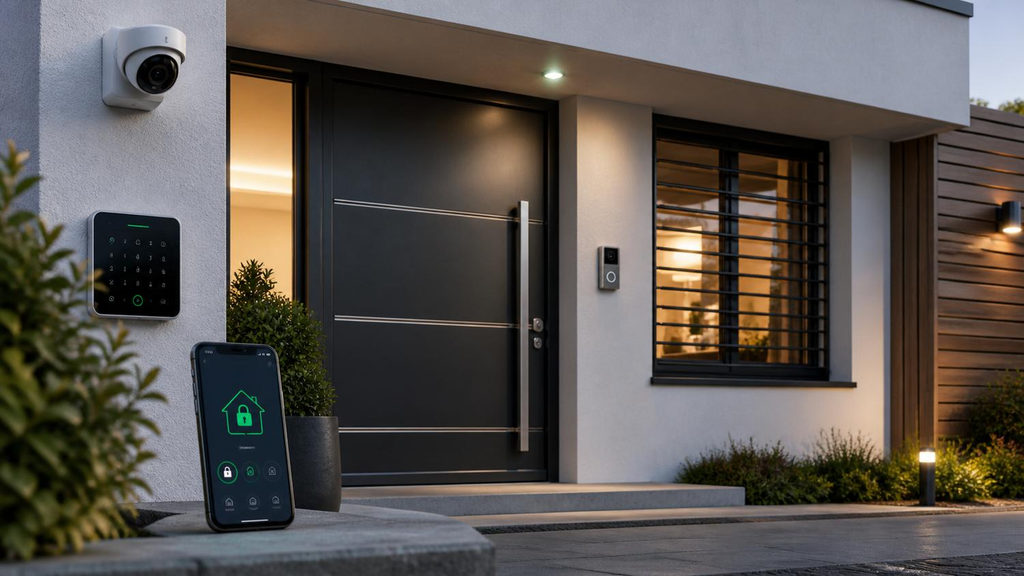
Security is one of the most useful applications of smart home technology.
Modern security devices allow homeowners to monitor their properties and receive notifications when certain activities occur.
Popular devices include:
- Smart security cameras
- Video doorbells
- Motion detectors
- Smart door locks
- Window and door sensors
- Connected alarm systems
Some systems allow users to view camera footage remotely through a smartphone.
However, smart security devices should not replace basic physical security measures. Their effectiveness depends on proper installation, reliable connectivity, and regular maintenance.
3. Smart Thermostats and Climate Control
Smart thermostats help manage indoor temperatures more efficiently.
Users can create heating and cooling schedules based on their daily routines.
Some models also use sensors and learning features to adjust temperatures automatically.
Potential benefits include:
- Better temperature control
- Remote access
- Scheduled heating and cooling
- Energy monitoring
- Improved indoor comfort
These features can help reduce unnecessary energy consumption, although actual savings depend on the home, climate, equipment, and user settings.
4. Voice-Controlled Home Automation
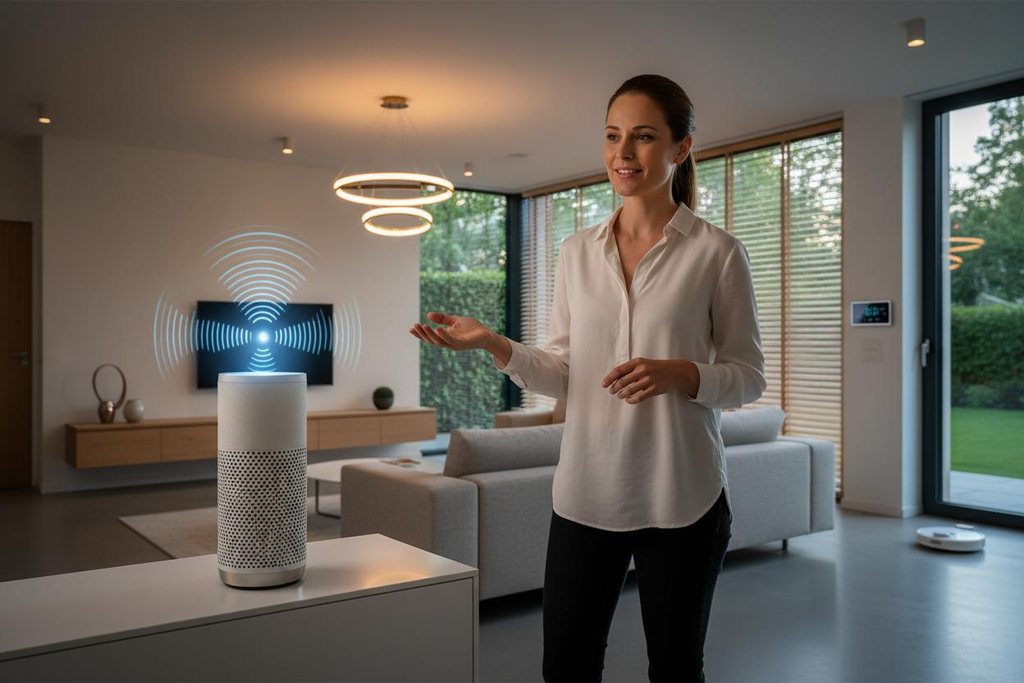
Voice assistants make it possible to control compatible devices through spoken commands.
For example, homeowners can ask an assistant to turn on the lights, play music, or adjust the thermostat.
Popular smart home ecosystems include Amazon Alexa, Google Home, and Apple Home.
These systems can make daily tasks easier, particularly when multiple devices are connected to the same ecosystem.
5. Smart Home Appliances
Smart appliances combine traditional household equipment with connected technology.
Examples include:
- Smart refrigerators
- Connected washing machines
- Smart ovens
- Robotic vacuum cleaners
- Connected coffee machines
Some appliances allow users to monitor their status, receive notifications, or control selected functions through mobile applications.
These features can save time and make household management more convenient.
6. Smart Entertainment Systems
Smart entertainment systems connect televisions, speakers, streaming devices, and other equipment.
Users can manage compatible devices through smartphone applications or voice commands.
A connected entertainment system may include:
- Smart televisions
- Wireless speakers
- Multi-room audio
- Streaming devices
- Automated home theater controls
This technology can create a more convenient entertainment experience.
Major Benefits of Techoelite Smart Homes
Smart home technology offers several advantages for homeowners. The most important benefits include convenience, security, energy management, and customization.
1. Greater Convenience
Automation reduces the need to perform repetitive household tasks manually.
For example, lights can turn on automatically when someone enters a room, while compatible appliances can follow scheduled routines.
This can make everyday home management simpler.
2. Improved Home Security
Connected cameras, smart locks, and motion sensors can help homeowners monitor their properties.
Remote notifications also make it easier to respond when a device detects unusual activity.
However, no digital security system can guarantee complete protection.
3. Better Energy Management
Smart thermostats, lighting controls, and energy-monitoring devices can help identify unnecessary electricity use.
Homeowners can create schedules and automate certain systems to reduce waste.
The amount saved depends on existing energy consumption and the quality of the equipment.
4. Remote Home Management
Many connected devices allow remote access through mobile applications.
This means users can monitor selected home systems even when they are away.
For example, they may check a security camera, adjust a thermostat, or switch off compatible lights remotely.
5. Personalized Living Experience
Smart home systems allow homeowners to create settings that match their preferences.
A morning routine might gradually turn on the lights, adjust the temperature, and start a compatible entertainment device.
These customized routines can make a home feel more comfortable and organized.
How Does Smart Home Technology Work?
A smart home combines several components that communicate with each other.
Understanding these components can help homeowners choose compatible devices.
| Component | Main purpose |
|---|---|
| Smart devices | Perform household functions |
| Sensors | Detect movement, temperature, and other changes |
| Hub or controller | Coordinates connected devices |
| Internet connection | Enables remote access and communication |
| Mobile application | Provides control and monitoring |
| Automation software | Runs scheduled actions and routines |
Different devices use communication technologies such as Wi-Fi, Bluetooth, Zigbee, Z-Wave, and Matter.
Compatibility is important because not every smart device works with every platform.
Before purchasing equipment, check its supported standards and ecosystem requirements.
Things to Know Before Choosing Smart Home Technology
Although smart homes offer many advantages, homeowners should consider several factors before investing.
1. Device Compatibility
Check whether your selected devices work with your existing smart home ecosystem.
Choosing compatible products can reduce installation problems and make daily control easier.
2. Installation Costs
Some smart devices are easy to install, while others require professional electrical or security installation.
Create a budget that includes equipment, installation, maintenance, and possible subscription fees.
3. Internet Requirements
Many smart devices depend on internet connectivity for remote access and cloud-based features.
Check what happens when the internet connection fails. Some systems support local control and can continue running selected automations without an internet connection.
4. Privacy and Data Security
Connected devices may collect personal information, video footage, or household activity data.
To improve security:
- Use strong and unique passwords.
- Enable two-factor authentication when available.
- Install firmware updates.
- Secure your home Wi-Fi network.
- Review device privacy settings.
- Buy products from reputable manufacturers.
5. Maintenance and Software Updates
Smart home systems require occasional maintenance.
Manufacturers may release software updates to improve performance, fix security issues, and maintain compatibility.
Check how long the manufacturer promises to support its products before buying.
How to Start Building a Smart Home
You do not need to automate your entire property at once.
Starting with a few useful devices can help you understand the technology before expanding your system.
Follow these simple steps:
- Identify your needs: Decide whether you want better security, lighting control, energy management, or convenience.
- Set a budget: Choose an amount you can comfortably spend.
- Select a compatible ecosystem: Consider the platforms and devices you already use.
- Start with essential devices: Smart bulbs, plugs, or security cameras can be useful starting points.
- Connect your devices: Follow the manufacturer’s installation instructions.
- Create simple automations: Set schedules and routines that solve everyday problems.
- Review security settings: Update passwords and enable available security protections.
This gradual approach can help prevent unnecessary spending and complicated installations.
Are Techoelite Smart Homes Worth It?
Smart home technology can be worthwhile for homeowners who value convenience, remote control, security monitoring, and energy management.
However, whether Techoelite Smart Homes specifically represents a product or service worth purchasing cannot be established from the available independent information.
The name appears in online smart home content, but a verified proprietary product range, official pricing structure, and established installation service have not been confirmed. techoelite+1
Before buying anything under this name, check:
- The company’s legal identity
- Official product specifications
- Written pricing and installation costs
- Warranty and return policies
- Customer support information
- Independent customer reviews
- Privacy and security documentation
For most homeowners, the best investment is a reliable smart home system that meets their actual needs rather than simply choosing products with the most advanced features.
Conclusion
Techoelite Smart Homes represents the growing interest in connected living and modern home automation. Smart lighting, security systems, climate control, voice assistants, and connected appliances can make everyday household management easier.
These technologies also offer opportunities to improve energy management, personalize living spaces, and monitor homes remotely.
However, buyers should understand the difference between general smart home technology and a verified Techoelite product or service. Research compatibility, installation costs, warranties, and privacy protections before investing.
The best smart home is not necessarily the one with the most devices. It is the one that provides useful features, reliable performance, and genuine value for everyday living.